The Gear I Actually Use for Commercial Photography
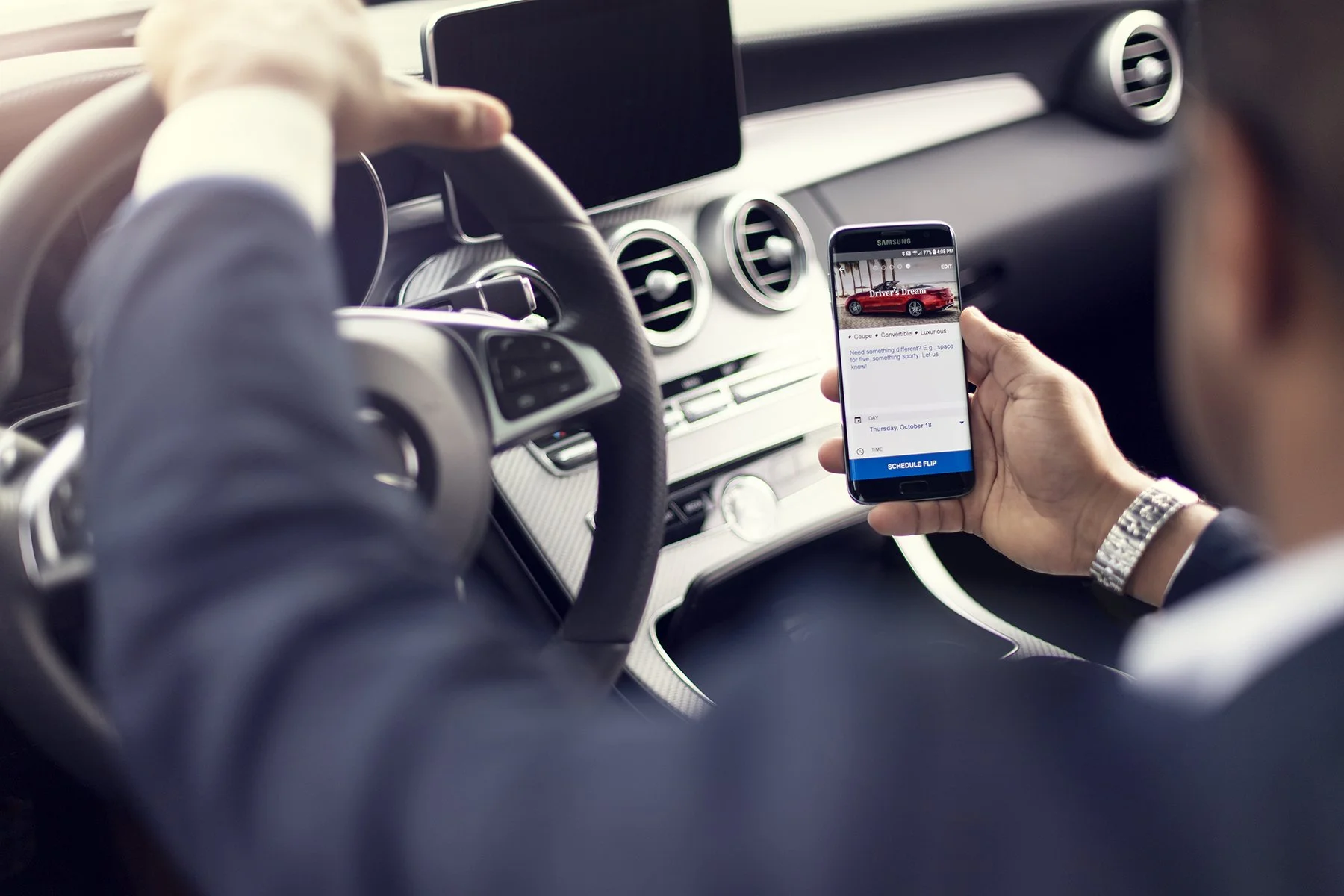
Professional cameras, lenses, lighting, and production equipment—and why I use them.
TL;DR
My commercial photography kit is built around Nikon Z cameras, four NIKKOR lenses, Flashpoint and Nanlite lighting, and a collection of modifiers, grip equipment, and tethering tools. After nearly two decades working in professional photography, I've learned that the most expensive equipment isn't necessarily the best equipment for the job. This guide covers the gear I actually use, why I've chosen it, and how I build a production kit around the demands of each assignment.
Introduction
Commercial photography assignments rarely require exactly the same equipment. Depending on the client, location, and creative direction, a shoot might involve a single photographer working with available light or a more elaborate production with multiple lighting setups, modifiers, and support equipment.
My equipment choices begin with understanding what we're trying to produce. From there, I build the kit around the practical and creative needs of the assignment. Over nearly two decades working in commercial, advertising, and editorial photography, I've used everything from premium rental equipment to relatively inexpensive tools that produce excellent results. Here's a look at what I currently use for commercial photography and why these tools have earned a place in my kit.

Camera Bodies: Nikon Z6 III and Z6 II
My primary camera is the Nikon Z6 III, supported by a Nikon Z6 II as a backup.
These two cameras cover virtually everything I need for my commercial assignments, from environmental portraits and marketing campaigns to architectural and corporate photography. While higher-resolution and more expensive cameras certainly exist, I've found that the Z6 III delivers the image quality, performance, and flexibility required for the overwhelming majority of my work.
The important consideration isn't whether a camera represents the highest specification available. It's whether the equipment can reliably produce images that meet the client's intended use.
Equipment I use:
Lenses: Four Lenses, Different Perspectives
My core lens collection consists of four NIKKOR Z lenses.
Rather than assigning a particular lens to a specific type of assignment, I choose focal lengths based on the environment, the subject, and the perspective I'm trying to create.
A versatile option when the environment is an important part of the photograph. The wider focal lengths allow me to incorporate more context, particularly for environmental portraits and commercial storytelling.
When space allows, I frequently use the 70–200mm to create separation between the subject and background. Its longer focal lengths allow me to compress the visual relationship between elements in the frame.
A useful option when working in tighter environments. The 50mm allows me to maintain a natural perspective while still achieving shallow depth of field.
One of my preferred lenses for portraits that need to feel personal and conversational. The 85mm creates a perspective that feels intimate without requiring me to work uncomfortably close to the subject.
I regularly experiment with several focal lengths during an assignment. Having multiple perspectives available is often more valuable than committing to a single approach. I'd rather capture several interpretations of a scene than discover later that a different perspective might have better served the final image.
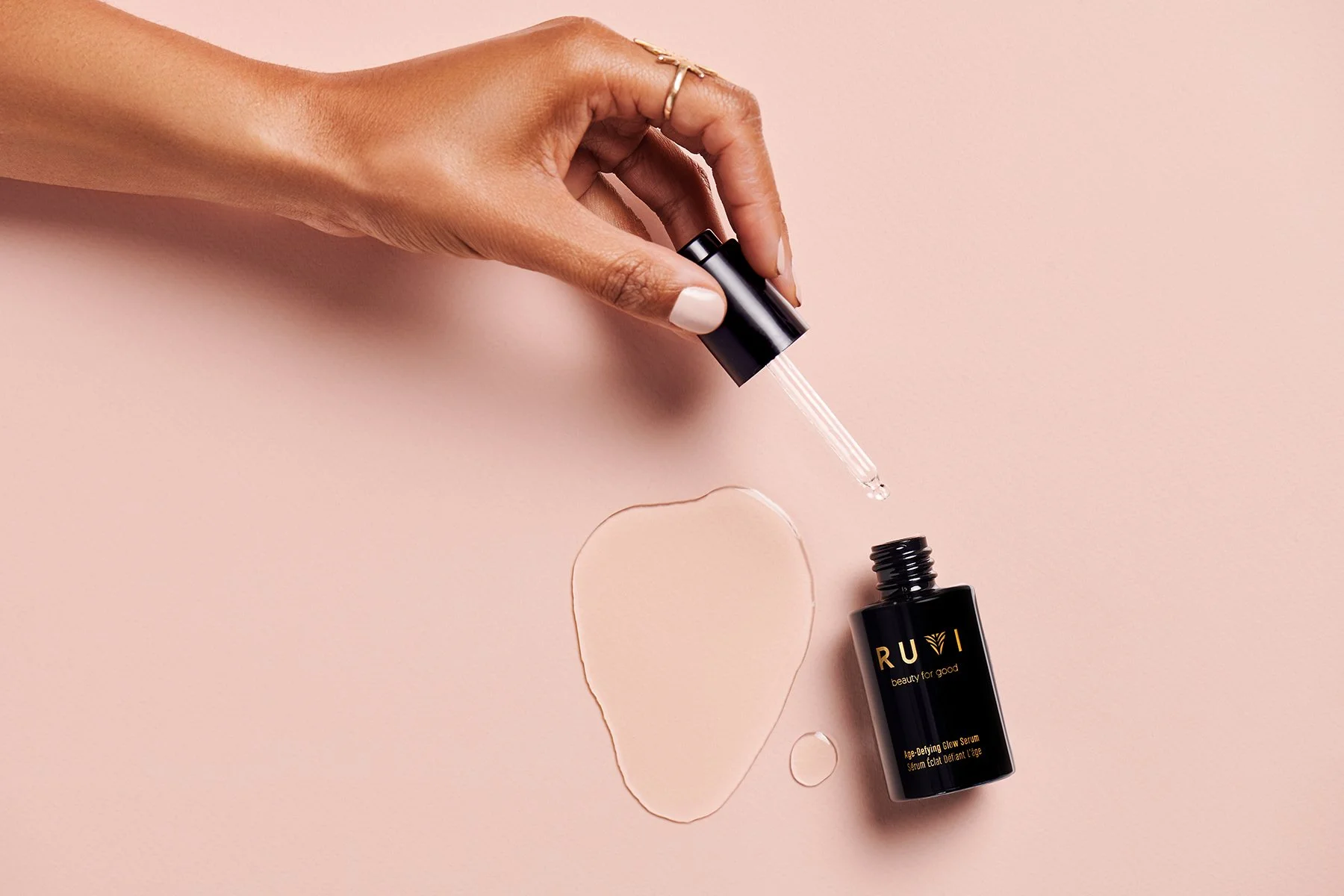
Lighting: A Scalable Commercial Kit
Lighting requirements vary significantly between assignments. Depending on the location, available light, and creative direction, I might work with a single light or build a setup involving five or six heads. The goal isn't always simply to illuminate the subject. Sometimes it's equally important to maintain the atmosphere of the environment, balance existing light, or bring additional illumination into the background.
My current lighting inventory includes:
These battery-powered strobes form the foundation of my flash photography equipment. They offer the output and flexibility necessary for the scale of commercial work I regularly produce.
My primary high-output continuous lighting option, particularly useful when a production calls for constant illumination rather than flash. For example, these are great when the production is capturing both stills and motion at the same time. It's nice to not have to create two lighting setups or completely different sets.
These smaller continuous lights are useful for illuminating backgrounds, creating subtle fill, or producing rim and edge lighting.
Although I own seven lights, that doesn't mean seven lights accompany every assignment. Equipment is selected according to the requirements of the production. For the commercial assignments I typically photograph, this lighting inventory has consistently provided the capabilities I need without requiring additional rentals.

Light Modifiers and Grip: Where Versatility Matters
One of the most significant changes I've seen in photography equipment over the past decade has been the availability of affordable lighting modifiers and support systems. There was a time when professional-quality modifiers were largely associated with a handful of premium manufacturers. Today, numerous house brands and independent manufacturers offer capable alternatives at considerably lower prices.
My primary modifier remains the Elinchrom 53-inch Octa, but much of my remaining equipment comes from more affordable manufacturers.
My modifier collection includes:
(2) 7-foot octagonal softboxes for large, soft fill sources (Adorama | Amazon)
(2) Approximately 12-by-48-inch gridded strip softboxes (Adorama | Amazon)
Beauty dishes and small 7.5" focusing reflectors (Adorama | Amazon)
Grip and support equipment:
Assorted grip heads, mounting pins, and support accessories
Premium equipment certainly has its place. However, inexpensive modifiers aren't inherently incapable of professional results. Diffusion materials wear out, equipment gets damaged, and components eventually need replacement regardless of the name printed on the side. I've seen yellowed diffusion panels in expensive Chimera modifiers just as I've seen wear and tear in inexpensive alternatives. The availability of affordable equipment has made it considerably easier to assemble a versatile professional lighting kit without making an enormous upfront investment.
Tethering: Capture One and Tether Tools
For most commercial productions, I tether directly into Capture One. Depending on the location, my workstation is either a 27-inch Apple iMac or a 15-inch MacBook Pro. For the camera connection, I use Tether Tools cables.
Tethering allows me to review photographs at a larger size, evaluate technical details, and make adjustments throughout the production. It also provides clients and art directors an opportunity to review images when their involvement is useful.
Not every assignment benefits from tethering, however. For productions requiring constant or quickly moving between locations, a camera-mounted workflow is often more practical than introducing computers, cables, and additional equipment.
Equipment and software I use:
Supplemental Video and Motion Equipment
Although still photography remains the foundation of my commercial work, some assignments benefit from additional motion footage. Rather than maintaining a dedicated cinema production kit, I use a small collection of tools for supplementary footage, time-lapse sequences, and additional perspectives.
The camera's video capabilities provide a convenient option for capturing supplemental footage alongside still photography.
Compact cameras are useful for time-lapse photography, unusual mounting positions, and situations where a traditional camera setup would be unnecessarily complicated.
A stabilization system for producing smoother handheld camera movement.
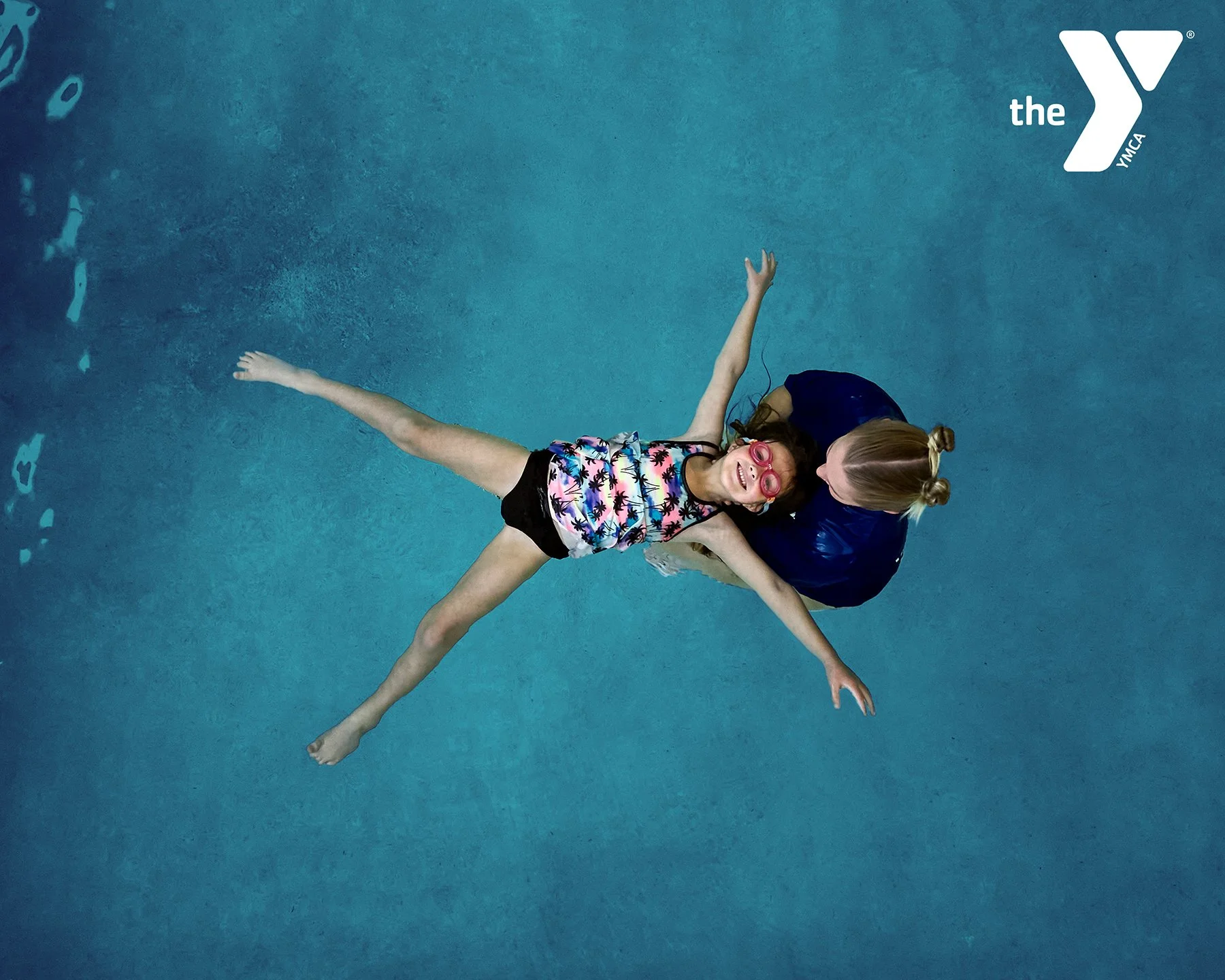
A compact drone offering an aerial perspective that wouldn't otherwise be practical with conventional camera equipment.
On one assignment for the YMCA, for example, an overhead perspective offered an entirely different way of capturing swimmers moving through the water. That kind of viewpoint can introduce a visual element that conventional camera positions simply cannot reproduce without exponentially complicating the production. These tools provide additional creative options without requiring a separate, extensive motion equipment investment.
Transporting Equipment: Pelican Cases and Modular Packing
An often-overlooked consideration when purchasing photography equipment is how it will be transported. My camera bodies and lenses travel in a Pelican carry-on-sized rolling case. For most other equipment, I prefer using the individual cases provided by the manufacturer rather than consolidating everything into a handful of oversized cases.
Earlier in my career, I purchased a large equipment case intending to consolidate my lighting kit into a single transport solution. Once filled, it was so heavy that lifting it into a vehicle became impractical if not impossible. That experience changed how I approach equipment storage and transportation. Smaller, modular cases are easier to stack, move, and load into a vehicle. They're also considerably more practical when working with limited crew or traveling between locations.
For assignments requiring air travel, there are situations where renting larger equipment at the destination makes considerably more sense than transporting everything I own.
Equipment I use:
Individual manufacturer-supplied lighting and equipment cases
The best case isn't necessarily the one that holds the most equipment. It's the one that makes transporting and using that equipment practical.
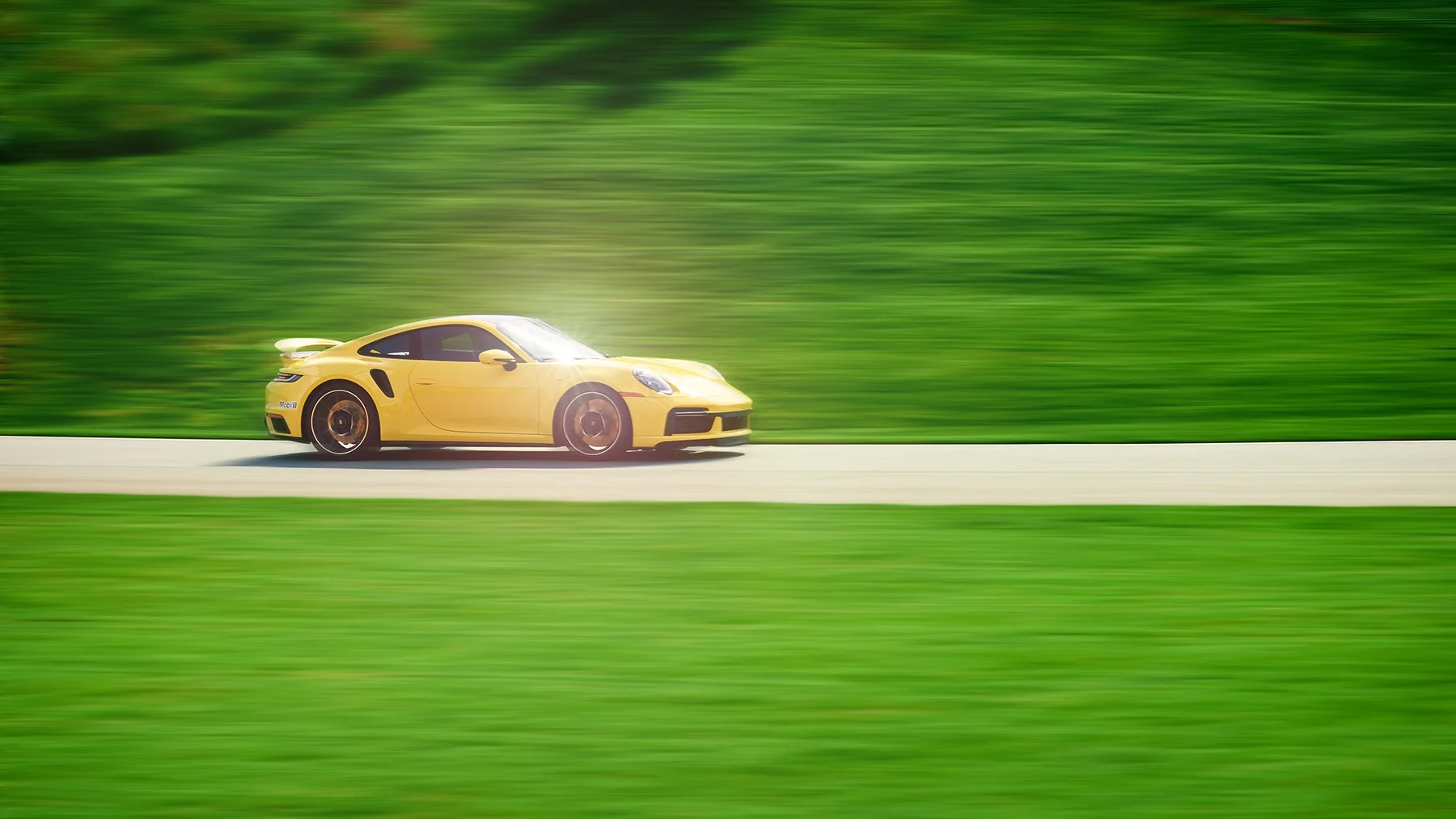
Conclusion: Buy the Gear That Makes Sense for Your Work
Earlier in my career, particularly while working in New York, there was considerable emphasis placed on showing up to commercial productions with the right brands and the most impressive equipment. I've worked on shoots where enormous amounts of gear arrived on set, even though the creative direction required only a relatively simple lighting setup. Sometimes the equipment was necessary. Other times, the volume of equipment seemed as much about appearances as it was about producing photographs.
What I've learned is that clients ultimately hire photographers to produce images, not to demonstrate how much equipment they own. There are legitimate reasons to invest in premium equipment, and there are assignments where renting specialized tools is absolutely necessary. But an expensive camera, light, or modifier isn't automatically the best choice for every photographer or every production.
There's also a business consideration. If a $3,000 assignment requires $1,500 in unnecessary equipment rentals, a substantial portion of the production budget has already disappeared before the work begins. Owning a capable, adaptable equipment kit allows me to work efficiently across a broad range of assignments while spreading equipment investments across years of professional use.
My advice is simple: Build a kit that supports the work you're actually producing, not the work you think your equipment needs to advertise. The right equipment should make your work better, your productions more efficient, and your business more sustainable.
About South Atlanta Photography
South Atlanta Photography provides commercial photography, professional portraits, and visual content for businesses throughout Atlanta and the surrounding region.
With nearly two decades of experience in commercial, advertising, and editorial photography, Stephen Wilson brings a considered approach to creative direction, production planning, and image-making.
Planning a commercial photography project? Explore our Commerce & Content photography services to learn how we can help develop imagery that supports your marketing and business objectives.
studio@southatlantaphotography.com
770-727-5607
Affiliate Disclosure: Some product recommendations in this article may include affiliate links. If you purchase through these links, I may earn a commission at no additional cost to you. All recommendations are based on equipment I personally use or have firsthand experience with.