The Photography Gear I Actually Use for Professional Portraits And Headshots

TL;DR:
After more than 20 years working as a professional photographer, I've developed a reliable collection of cameras, lenses, lighting, and production equipment that I use to create professional headshots. From corporate offices to controlled studio environments, this is the gear I actually use, why I trust it, and how it contributes to creating consistent, high-quality portraits.
The Right Equipment for the Job
Over the course of my career, I've worked with a wide range of photography equipment across commercial, editorial, and portrait assignments. Some tools have changed as technology has evolved, while others have remained essential to my process for years.
Earlier in my career, I was concerned with owning the flagship camera body. There was a certain appeal to having the best equipment available, not just for its capabilities, but because it helped me look and feel the part of a professional photographer. Over time, though, I began evaluating my equipment more objectively, paying closer attention to the features I actually used rather than the ones manufacturers were promoting.
I realized that many of the bells and whistles introduced in flagship cameras were features I rarely needed. In many cases, those same technologies were effectively being tested in flagship models before finding their way into other professional camera bodies a year or two later. Spending significantly more money to have those features first wasn't necessarily making my photographs any better.
That shift in perspective changed how I invest in equipment. Today, I prioritize reliability, image quality, efficiency, and tools that genuinely contribute to the work I'm producing.
Professional headshot photography presents its own set of challenges. Every location is different, every subject is different, and the expectations for consistency, quality, and efficiency are high. Having the right equipment allows me to adapt to those variables while maintaining control over the final photographs.
This isn't a list of the newest or most expensive photography equipment available. It's a practical look at the cameras, lenses, lighting, and production tools I use regularly for professional headshots, and why they've earned a place in my kit. Affiliate Disclosure: Some links in this article are affiliate links, meaning I may earn a commission if you make a purchase through them, at no additional cost to you. All equipment featured is gear I personally use and recommend.
1. Camera Bodies

Nikon Z6III (Adorama | Amazon)
Nikon MB-N14 Power Battery Pack (Adorama | Amazon)
Nikon Z6II (backup body) (Adorama | Amazon)
Nikon MB-N10 Battery Grip (Adorama | Amazon)
Why I use them: Reliability, image quality, and consistency are essential when photographing professionals, particularly when working on location or photographing multiple people in a single session. My Nikon camera bodies deliver excellent color reproduction, natural and accurate skin tones, and the dynamic range I need to produce polished portraits. The Nikon system is also intuitive and efficient to work with, allowing me to concentrate on the person in front of the camera rather than the equipment. A second body provides an important backup if something goes wrong.
2. Lenses
Why I use them: The 85mm and 70–200mm are two of my most frequently used lenses for professional portraits. Both produce beautiful, flattering images, but each serves a different purpose. The 85mm is my go-to for individual headshots, while the 70–200mm gives me more flexibility when working in different spaces or creating a variety of compositions. Both are exceptionally sharp, reliable lenses that I trust for professional work.
3. Lighting
Strobes

Flashpoint XPLOR 600 Pro R2 TTL (Adorama | Amazon)
Flashpoint R2 Wireless Transmitter (Adorama | Amazon)
Continuous Lighting
Why I use it: Professional lighting gives me control over the final image regardless of the available light or location. I use strobes when I need to overpower ambient conditions or create crisp, consistent results, and continuous lighting when I want to see and refine the light in real time. Having both options allows me to adapt to different environments without compromising the quality or consistency of the photographs.
4. Light Modifiers
Elinchrom 53" Rotalux Octa (Adorama | Amazon)
Impact 5' Strip Softbox with Grid (Adorama | Amazon)
8" Reflector with Grid and Diffusion (Adorama | Amazon)
Neewer Clam Shell Lighting Reflector 39"x18" (Adorama | Amazon)
Why I use them: The quality and direction of light matter just as much as its intensity. Different modifiers allow me to control softness, contrast, spill, and separation from the background. Whether I'm creating a clean corporate portrait or something more dramatic and directional, these tools help me shape the light intentionally rather than simply illuminate the subject.
5. Light Stands & Grip
Impact C-Stands (Adorama | Amazon)
Flashpoint Junior Wheeled Light Stands (Adorama | Amazon)
Studio Essentials Compact Background light Stand (3') (Adorama | Amazon)
Impact 15 lb Sandbags (Adorama | Amazon)
Why I use them: Good lighting depends on stable, precise positioning. Professional stands and grip equipment provide significantly more stability and durability than entry-level light stands, particularly when supporting larger lights and modifiers. They allow me to position equipment exactly where I need it, make adjustments efficiently, and maintain a safer working environment. They're not the most glamorous part of a photography kit, but they're fundamental to building a reliable lighting setup, especially on location.
6. Backgrounds
107" White Seamless Background Paper (Adorama | Amazon)
Wescott X-Drop Pro 8'x8' - Color: Smooth Concrete (Adorama | Amazon)
Wescott X-Drop Pro 8'x8' - Color: Harley by Joel Grimes (Adorama | Amazon)
Why I use them: Backgrounds are often essential when photographing multiple people within an office or organization, helping create a consistent look across an entire team. I use a combination of seamless paper and portable fabric backgrounds to create clean, professional portraits that feel cohesive regardless of where we're shooting. However, backgrounds aren't always necessary. When creating environmental portraits, I prefer to incorporate the actual office, architecture, or surrounding environment to give the photographs a greater sense of place and context.
7. Tethering & Capture
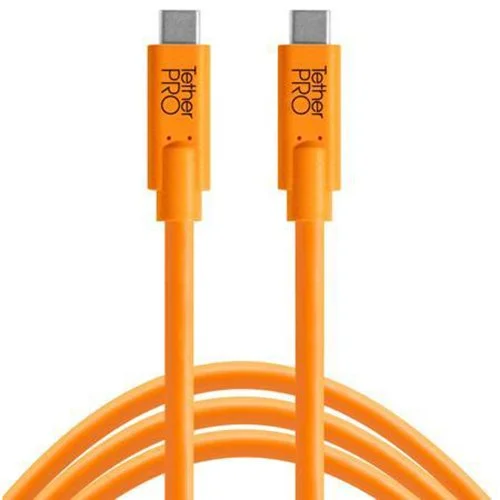
Tether Tools 15' USB-C Cable (Adorama | Amazon)
SanDisk 128GB CFexpress Type B Memory Cards (Adorama | Amazon)
Macbook Pro (Adorama | Amazon)
Why I use it: Shooting tethered allows me to evaluate images on a larger screen as they're being created, rather than relying solely on the camera display. It's an important part of maintaining consistency in lighting, composition, and expression, particularly during corporate headshot sessions. It also makes collaboration easier when clients or creative teams need to review images during the shoot.
8. Post-Production & Workflow
Capture One Pro (Capture One)
Adobe Photoshop (Adobe)
Wacom Intuos Pro (Adorama | Amazon)
Why I use it: The work doesn't end when the camera is packed away. Capture One, Photoshop, and my Wacom tablet are central to how I organize, evaluate, color-correct, and retouch photographs. Together, they give me precise control over the finished image while maintaining a natural, polished result that doesn't feel overly processed.
9. Travel and Transport Case
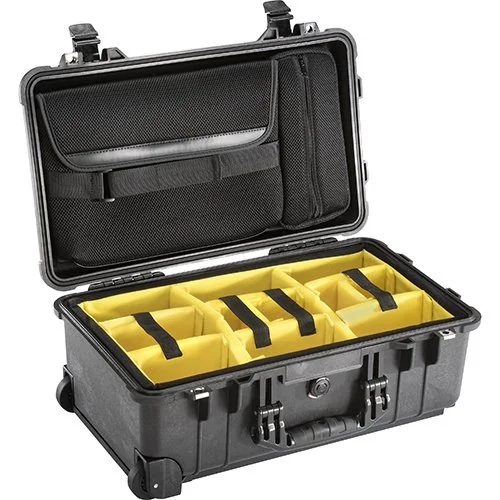
Pelican 1510 Carry-On Cases (Adorama | Amazon)
Why I use them: Working on location often means transporting a substantial amount of heavy equipment through tight spaces, elevators, offices, and crowded environments. A soft camera bag simply doesn't provide the same level of protection for expensive equipment. My Pelican cases offer a durable, hard-shell solution that keeps everything organized and protected. The high visibility yellow divider insert will literally change your life… Every other case insert is black. Guess what elses is also black… All your equipment. Further, the built-in wheels make transporting 20–40 pounds of gear considerably easier than carrying that weight over my shoulder, especially during long production days.
The Equipment Is Only Part of the Process
The right equipment provides the technical foundation for great photography, but it's experience, preparation, lighting, and the ability to connect with the person in front of the camera that ultimately make a successful portrait. After more than 20 years behind the camera, I've learned that knowing how and when to use a tool is far more valuable than simply owning it.
At South Atlanta Photography, I create professional headshots and environmental portraits for individuals, executives, and corporate teams throughout Peachtree City, Fayette County, South Atlanta, and the greater Atlanta area. Whether we're photographing one person or an entire organization, the goal is always the same: thoughtful, intentional portraits that communicate confidence, professionalism, and personality.
Looking to update your professional image? Explore my Professional Portraits & Headshots to learn more about individual sessions, executive portraits, and corporate headshot photography.